Table of Contents
- How Long Do Lash Extensions Last? The Short Answer
- Retention vs. Fullness: Two Timelines, Not One
- Your Natural Lash Cycle and Why Shedding Is Normal
- What Affects How Long Lash Extensions Last
- Lash Extension Aftercare That Protects Retention
- Can You Shower With Lash Extensions? Water, Steam, and Humidity
- Lash Extension Fill Schedule: How Often to Book
- Lash Extensions Falling Out? What to Check and When to Call
- Frequently Asked Questions
Last Updated: October 18, 2026
How Long Do Lash Extensions Last? The Short Answer
Most [lash extensions](/services/lash-extensions) last four to six weeks before a full new set is needed, but that number hides the real story.
Here's what most guides get wrong. They quote a single lifespan and skip the natural lash cycle that controls everything.
Below, we break down the week-by-week reality, the aftercare that protects your investment, and the warning signs that mean you should call your lash technician.
Retention vs. Fullness: Two Timelines, Not One
Retention and fullness are not the same measurement, and treating them as one number leads to bad decisions. Retention is how long a single extension stays bonded to one natural lash. Fullness is how dense the whole set looks from arm's length.
How Long Each Extension Stays Attached
A well-applied extension holds for three to five weeks on a healthy natural lash. The bond weakens as the lash grows out and the adhesive ages. Once the natural lash reaches the end of its growth phase, it sheds, and the extension goes with it.
How Long a Set Still Looks Full
A full set looks its best for the first two weeks. By week three, most clients notice small gaps at the outer corners or along the top line. By week four, the set reads as "sparse" to the eye even though many extensions are still attached.
That gap between attached and full is why the fill schedule matters more than the initial application date.
Your Natural Lash Cycle and Why Shedding Is Normal
Every natural lash moves through a growth cycle: growth, transition, rest, and shedding. Lashes shed daily as part of this cycle, and each lash runs on its own timeline.
This is the part clients panic about. Finding two or three extensions on your pillow is normal. Finding clumps after a week is not.
Shedding rate varies by person. Some clients shed faster in certain seasons or during hormonal shifts.
What Affects How Long Lash Extensions Last
Several factors decide whether your set makes it to week four looking good or fades by week two. Ranked by impact:
- Natural lash cycle speed - faster cycles mean faster shedding
- Application quality - proper isolation and adhesive control are everything
- Aftercare habits - cleansing, brushing, and avoiding oil
- Lifestyle - swimming, saunas, and heavy sweating shorten retention
- Sleeping position - face-down sleep crushes and twists extensions
- Skin type - oily lids can weaken adhesive over time
- Lash style - heavier volume sets carry more weight per lash
Lash Extension Aftercare That Protects Retention
Aftercare is where clients gain or lose a week of wear. The rules are simple, but skipping them costs you.
- Clean lashes daily with a lash-safe foam cleanser and a soft brush
- Avoid oil-based products near the eyes, including some makeup removers
- Brush gently with a spoolie, never pull or tug
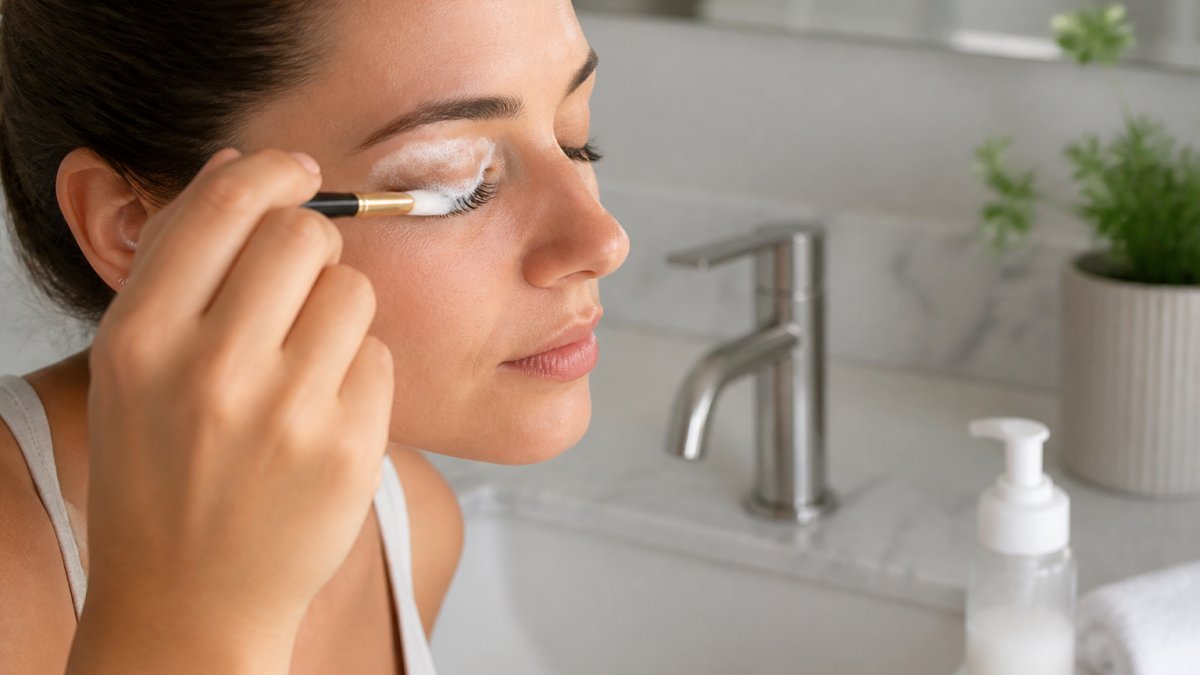
A common mistake is "protecting" extensions by not washing them. Buildup on the lash line weakens the bond and invites irritation. Clean lashes last longer.
Can You Shower With Lash Extensions? Water, Steam, and Humidity
Yes, you can shower with lash extensions once the initial cure window has passed. Your technician will tell you how long to keep them dry after application.
Heat and steam are the real threats. Saunas, steam rooms, and long hot showers soften adhesive over time.
The FDA guidance on cosmetic eye products is a useful reference for anyone with sensitive eyes or a history of reactions.
Lash Extension Fill Schedule: How Often to Book
Most clients need a fill every two to three weeks to keep a set looking full. That is the honest answer to the lash extension fill schedule question, and it depends on your shedding rate, lifestyle, and how quickly your natural lashes cycle. But the number alone does not tell you when to book or what to expect between appointments. Here is the week-by-week reality. (Source: a study on the impact of cosmetic procedures on self-esteem)
Week-by-Week Retention Timeline
This timeline reflects typical shedding and fullness changes for a healthy client with good aftercare. Your experience may vary based on your natural lash cycle and daily habits.
Book your appointment online →
| Weeks Since Full Set | What You'll Notice | Why It Happens | Recommended Action |
|---|---|---|---|
| Week 1 | Full, even density; minimal shedding | Adhesive is fresh; natural lashes are in early growth phase | Normal aftercare only |
| Week 2 | Slight gaps at corners; a few extensions shed | Natural lash cycle begins shedding lashes that were in rest phase at application | Book your fill now |
| Week 3 | Visible thinning; some patches; set reads as less dense | More natural lashes reach end of growth phase and shed | Fill appointment |
| Week 4 | Sparse, uneven look; many extensions still attached but set lacks fullness | Shedding outpaces retention; gaps become obvious | Fill or consider a full set |
| Week 5-6 | Significant volume loss; set no longer looks full | Most natural lashes from original set have cycled out | Full new set recommended |
Retention vs. Fullness: Why the Timeline Matters
The table above separates two clocks that most guides conflate. Retention is how long an individual extension stays bonded to one natural lash, typically three to five weeks. Fullness is how dense the whole set looks from arm's length, typically two to three weeks before gaps become noticeable. A set can have strong retention (many extensions still attached) but poor fullness (the set looks sparse because the remaining extensions are spread out).
How to Assess Whether You Need a Fill or a Full Set
Use these observable signs to decide:
- Fill: You see small gaps at the corners or along the top line, but most extensions are still attached and the set still has shape. A fill adds new extensions to gaps and removes grown-out ones.
- Full set: More than half the extensions are gone, the set looks uneven, or your technician recommends removal and reapplication because the remaining extensions are too grown out to blend with new ones.
Waiting too long forces a full removal and reapplication, which takes longer and costs more. Book your fill when you first notice gaps, usually around week two or three.
Lash Extensions Falling Out? What to Check and When to Call
Unusually fast lash loss is stressful, but it is rarely a mystery. Most cases trace back to one of four areas: application, adhesive conditions, aftercare, or your natural lash cycle. Use this troubleshooting checklist to narrow it down before you panic or book an emergency appointment.
Troubleshooting Checklist
Work through these categories in order. The first one that matches your situation is likely the cause.
1. Application and isolation
- Were extensions applied too close to the eyelid or clumped together? Poor isolation causes extensions to stick to each other and pull out natural lashes.
- Did the loss start right after a new set or a new technician? A patch test and a retention check can rule out adhesive or technique issues.
- Are you seeing extensions fall out in clumps rather than singly? Clumping suggests extensions were bonded together and are pulling each other out.
2. Adhesive conditions
- Was the adhesive fresh? Adhesive has a shelf life and cures differently in high humidity or low temperatures.
- Did you get the lashes wet within the initial cure window? Your technician will tell you how long to keep them dry, usually 24 to 48 hours.
- Are you using oil-based products near the eyes? Oil breaks down adhesive over time.
3. Aftercare habits
- Are you cleansing daily with a lash-safe foam cleanser? Buildup weakens the bond.
- Are you sleeping face-down or rubbing your eyes? Friction and pressure crush and twist extensions.
- Have you switched to a new eye cream, makeup remover, or skincare product? Check the ingredient list for oils.
4. Natural lash cycle and health
- Are you shedding faster than usual across your whole body (hair, nails)? Hormonal shifts, seasonal changes, and some health conditions can speed up the lash cycle.
- Have you recently been ill, started a new medication, or changed your diet? These can affect lash growth and shedding.
Normal Shedding vs. a Possible Problem
Finding two or three extensions on your pillow is normal. Finding clumps within the first week, or losing more than half the set by week two, is not. A common pattern is that clients who shed quickly in the first week have either gotten the lashes wet too soon or are using an oil-based product without realizing it.
How to Communicate Concerns with Your Lash Technician
Bring specific observations to your appointment. Useful questions include:
- "I noticed clumps falling out in week one, can you check the isolation and adhesive on my next set?"
- "I switched to a new eye cream; can you tell me if it contains oils that might affect retention?"
- "My shedding seems faster than usual, can we adjust the style or weight of my set?"
A good technician will perform a retention check, review your aftercare routine, and adjust the application if needed. If extensions fall out in clumps within the first week with no obvious cause, call your lash technician before your next fill.
The American Academy of Ophthalmology's eye health resources offer plain-language guidance on eye irritation and when to see a doctor. Persistent redness, swelling, or pain warrants a medical visit, not just a lash appointment.
Frequently Asked Questions
How long do lash extensions last before you need a fill?
Most sets look their fullest for about two to three weeks, which is when a fill is typically scheduled. Individual extensions stay attached longer, but natural lashes shed on their own cycle, so gaps appear gradually. A fill replaces the extensions that have shed and tidies the set. If you wait past three weeks, more of the set is gone and the appointment takes longer. Your lash technician can recommend a fill schedule based on how quickly your natural lashes cycle.
Can you shower with lash extensions?
Yes, once the adhesive has fully cured, which usually takes about 24 hours. Avoid direct hot water on the eyes, keep steam low, and pat lashes dry gently instead of rubbing. After that first day, normal showering is fine with a few adjustments: use lukewarm water, avoid pointing the showerhead straight at your face, and skip oil-based cleansers near the eyes. Humidity and steam can weaken adhesive over time, so keep sauna and steam-room visits occasional rather than routine.
Why are my lash extensions falling out so fast?
Some shedding is normal because each natural lash eventually falls out on its own cycle. Unusually fast loss usually points to a cause you can address: oil-based makeup or cleansers breaking down adhesive, rubbing your eyes, sleeping face-down, or picking at loose extensions. Heat and steam can also shorten retention. If you notice more loss than usual, note your aftercare habits and mention it at your next fill so your technician can check adhesion and adjust the application.
Do lashes get thinner after extensions?
Natural lashes do not thin out simply because you wore extensions. Shedding is part of the normal lash cycle, and it can look more noticeable when extensions fall out with the natural lash attached. Problems usually come from improper application, oversized extensions, or pulling and picking at the set. A trained lash technician matches extension weight and length to your natural lashes. If you are concerned about density, ask for an assessment during a consultation before booking a set.
Lash extensions reward consistency. A set applied with care and maintained on schedule looks fuller longer, and a trained technician can tailor the style to your natural lash cycle. If you're ready to protect your results, Lash Box Syosset offers luxury lash extensions with personalized aftercare guidance and convenient online booking. Book your appointment online and let our team build a set that fits your lashes and your routine.